- Report
- Heating and Cooling
Biofuels In Lime Kilns
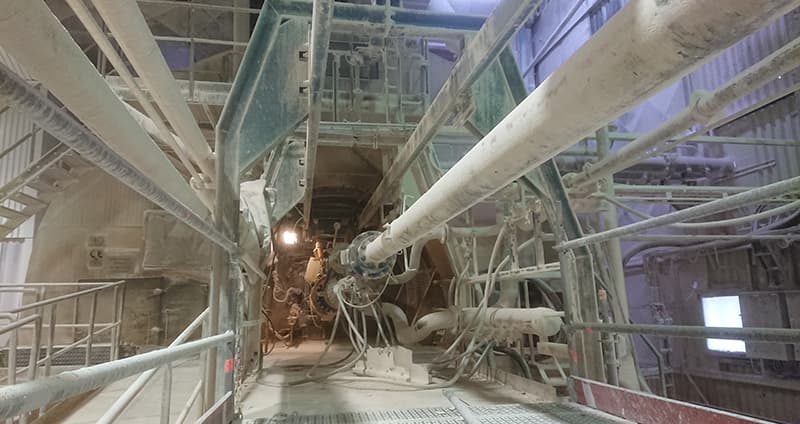
Conversion to operation with biofuel is interesting both to reduce carbon dioxide emissions and to reduce costs. Globally, about 50 TWh of fuel is used per year (in Sweden about 4 TWh/year). Fossil fuel dominates, but in Sweden and Finland there is a relatively large proportion of biofuels. The documented experience gained from mills that use biofuels will facilitate the possible conversion of other mills.
Publications and reports
Here you will find reports and fact sheets from the program.
- Report
High temperature storage for steam production
This report explores how high-temperature thermal energy storage (TES) can improve operational flexibility and reduce electricity costs in industrial steam production.
|2025:1149Jenny Wilson, Henrik Brodén, Katarina Karlström AFRY SWEDEN, Bernd Neumann, Ting Xu, Diego Luna Victoria Torres AFRY GERMANY Peter Dahlén, Christer Sandberg, Magnus Rydstrand, Joel Österqvist HOLMEN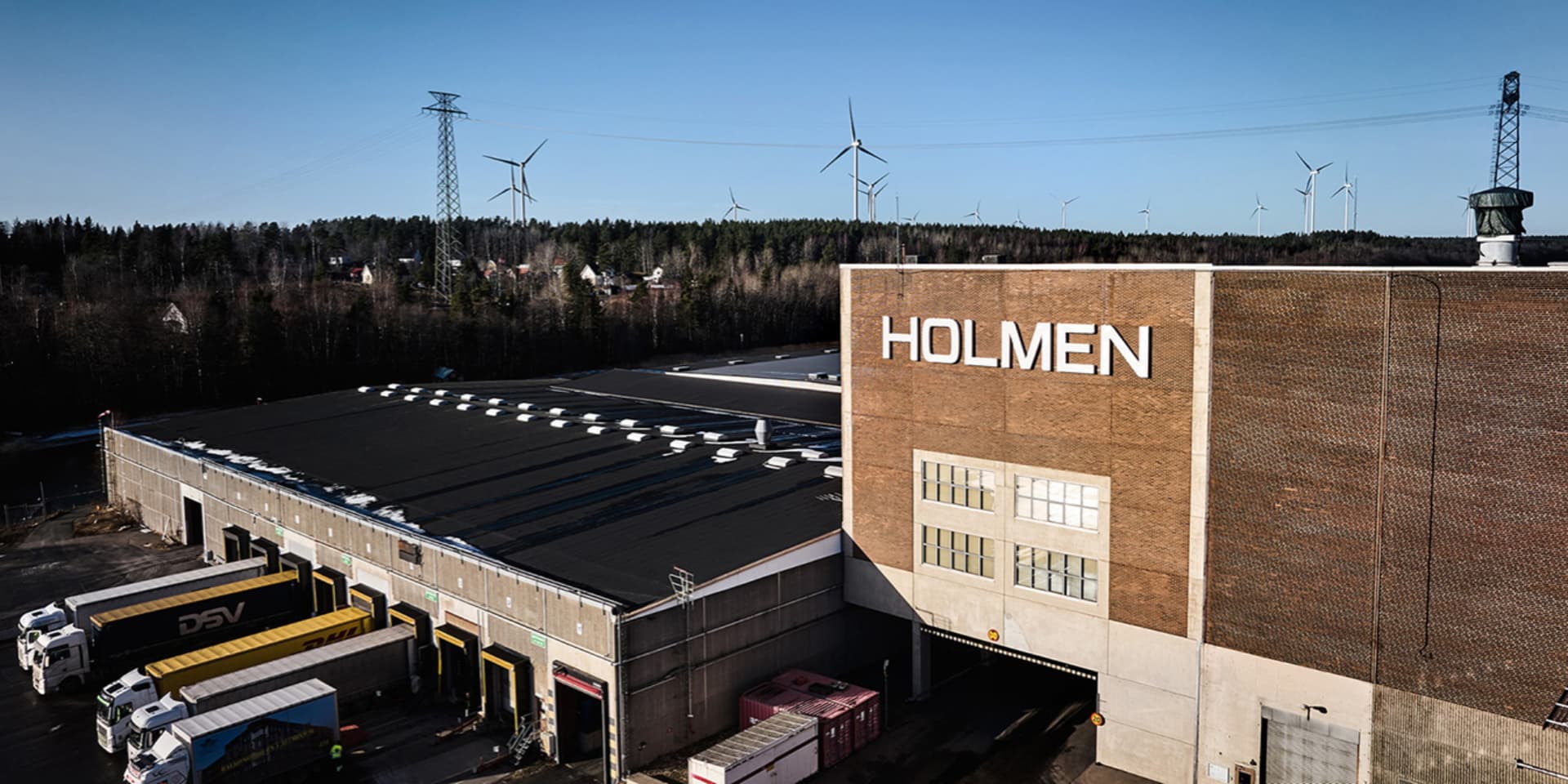
- Report
Biofuels In Lime Kilns 2022-847
The lime kiln is a central process in the chemical pulp mill. The process is energy intensive and consumes large amounts of fossil fuel.
|2022:847Niklas Berglin, Anna Von Schenck- Report
Lime Kiln Dusting 2019-628
Dusting in a lime kiln can seriously affect the performance of the kiln which may lead to increased fuel consumption or reduced production.
|2019:628Tobias Richards, John Joseph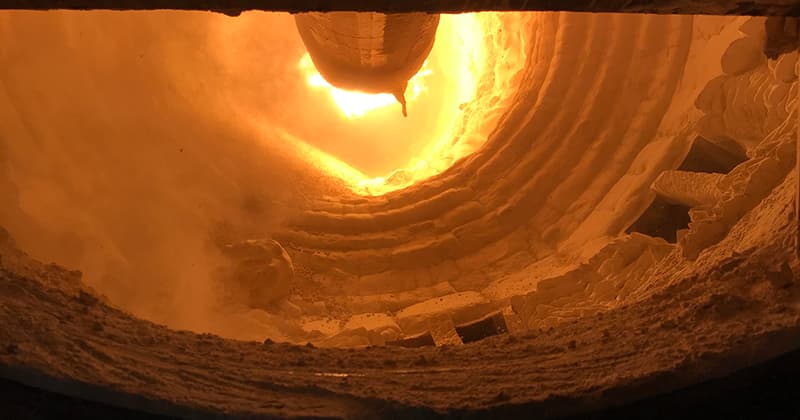
- Report
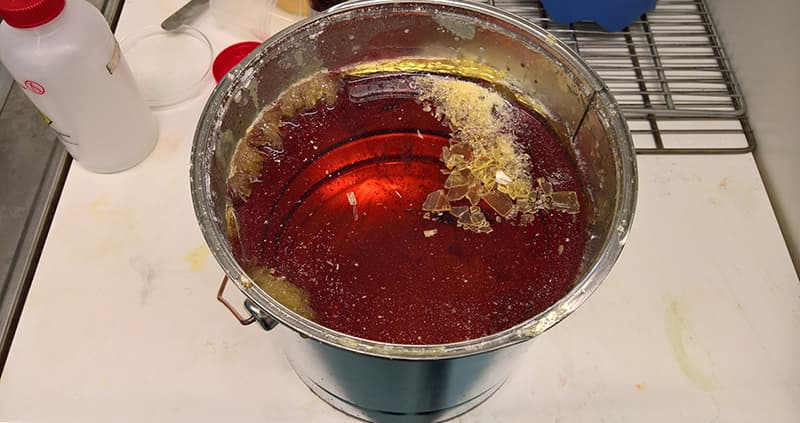
Tall Oil Solubility in Industrial Liquors 2019-582
Tall oil is one of the most valuable by-products from the kraft pulping of softwood. It has a broad spectrum of applications including chemicals, detergents and fuel to combustion engines, and is partly a renewable alternative to petroleum. Even if it is just a minor part of the wood that is converted to tall oil, the volumes produced are significant due to the massive amounts of kraft pulp that is produced. The value per ton of tall oil is also relatively high. High yield of the tall oil is thus important both for economic and environmental reasons.
|2019:582Ioannis Dogaris, Gunnar Henriksson and Mikael Lindström