- Rapport
- Energisystem
Biogas upgrading - Review of commercial technologies
Summary Biogas production is growing and there is an increasing demand for upgraded biogas, to be used as vehicle fuel or injected to the natural gas grid. To enable the efficient use of biogas in these applications the gas must be upgraded, i.e. the carbon dioxide, which constitutes a large part of the raw biogas from the digester, must be separated from the methane. This report aims to evaluate the biogas upgrading technologies that are commercially available and in operation today: amine scrubbers, water scrubbers, PSA units, organic scrubbers and membrane units. The technologies are described in detail by presenting the theory behind the separation mechanism, the upgrading process as a complete system, operational issues and how these are solved, and finally the most important financial data. Furthermore, the best developed cryogenic technologies, which today are being used to purify landfill gas and biogas from some specific components and to liquefy biogas, are presented. Cryogenic upgrading is an interesting possibility, but as this report shows, the technology still has some important operational issues to resolve. Technologies which are especially focused on small-scale applications are finally presented, however not in as much detail as the other, more common technologies. The report shows that for mid-scale applications, the most common options are all viable. The scrubbing technologies all perform well and have similar costs of investment and operation. The simplicity and reliability of the water scrubber has made this the preferred choice in many applications, but the high purity and very low methane slip from amine scrubbers are important characteristics. Regarding PSA and membrane units, the investment cost for these are about the same as for scrubbers. Furthermore, recent developments of the membrane units have also made it possible to reach low methane slips with this technology. Biogas production is increasing, in Sweden and globally, and the interest for biogas upgrading to utilize the gas as vehicle fuel or in other traditional natural gas applications increases as well. The mature technologies will see a market with more and harder competition as new upgrading technologies such as cryogenic upgrading are established, and other technologies optimize the processes to decrease operation costs. Important issues for the future development of the biogas market relate to the implementation of new policy instruments. The work with the new European standard requirements for gas distributed through the existing gas grids is one issue that possibly can have a large effect on possibilities for distribution of upgraded biogas. However, the future will most probably be fuelled by an increasing amount of upgraded biogas.
Rapporter och publikationer
Här listas rapporter och resultatblad från programmet.
- Rapport
Installation and evaluation of gas heat pumps for medium-sized buildings
|2013:283Mikael Näslund- Rapport
Combustion System Development for the Next Generation HD Gas Engines 2018-477
Målet har här varit att förbättra de nuvarande gasmotorerna genom att förbättra motorns momentutveckling med 20 procent samtidigt som verkningsgraden ökar med 10 procent. Kravet är att emissionskraven bibehålls med de här nya målen för prestanda.
|2018:477Ludvig Adlercreutz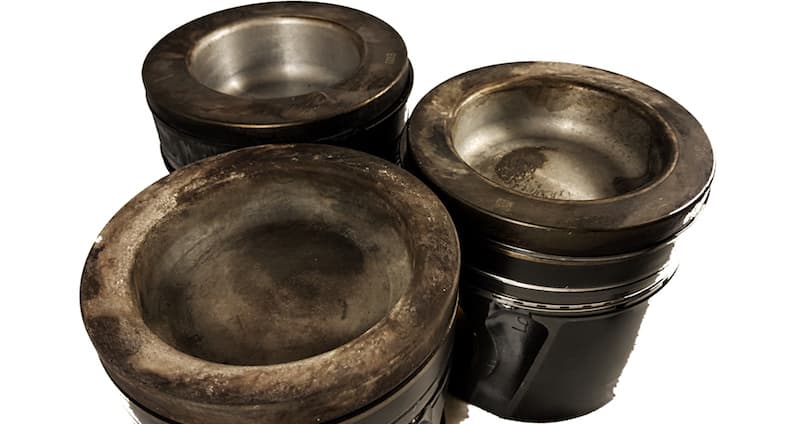
- Rapport
Demonstrating Renewable Propane
Infrastrukturen för att använda gasol är bra. Gasolen avvänds i allt från uppvärmning till kemiska processer och som fordonsbränsle. Nu utvecklas ny teknik för att producera gasol från råvaror som glycerol och cellulosa för att kunna använda samma infrastruktur även efter att energisystemet ställs om till förnybara bränslen.
|2018:538Christian Hulteberg, Andreas Leveau, Øyvind Nørregård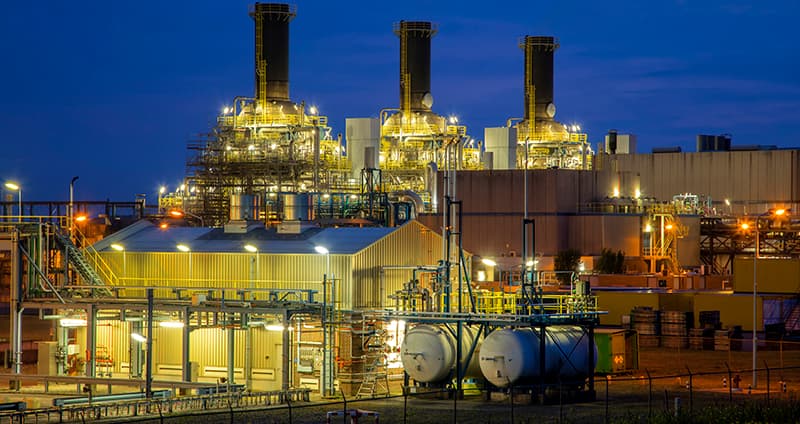
- Rapport
More Efficient Use of Biogas at Waste Water Treatment Plants
Idag produceras det ungefär 700 GWh biogas per år på avloppsreningsverken i Sverige, varav 60 procent uppgraderas till fordonsbränsle och resten omvandlas till el och eller värme via gaspannor, gasmotorer och gasturbiner. Frågan är om gasöverskottet kan utnyttjas bättre?
|2018:476Marc Puig Von Friesen, Peter Odhner, Magnus Arnell, Magnus Svensson, Pontus Ivarsson, Anna-Karin Jannasch, Anna Boss, Anders Hjörnhede