- Rapport
- Energisystem
Online water vapor detection in the product gas from indirect gasification
Summary The integration of a gasifier into a complex synthesis process, such like SNG synthesis, with several process steps asks for a better monitoring of the gasifier performance. While the dry gas composition is often known, tar concentration and steam concentration in the raw producer gas are usually not available online. A set of standard analyzers for dry gas composition (GC or NDIR) and online tar measurement combined with an online water measurement could allow the continuous calculation of simple mass and energy balances. Those balances, that characterize the gasification process, could enable the operator to monitor the effects of varying fuel properties and eventually counter the effects on the downstream equipment. For the detection of steam concentration in raw gas electromagnetic waves of terahertz frequencies (hundreds of gigahertz) are promising with regard to develop a robust online measurement device for industrial application. Main reasons for the high potential are the low risk for interference with the wide range of other molecules and the fact that THz frequencies are rather insensitive to deposits and particulate matter in the course of the beam, compared to laser technology at IR. Aiming to test the feasibility of applying this measurement technique in the industrial scale, a gas cell was designed and constructed providing conditions close to the onsite operation (i.e. T, P, gas composition, etc.) for primary laboratory tests. The experiments were then followed with onsite tests at Chalmers power central. Within those experiments the application of THz spectroscopy as a promising technique for detection and measurement of steam and CO at real industrial processes was proven. Current report demonstrates the procedure of implementing a THz spectrometer to acquire data in both laboratory and industrial scale and discuss how those data could be interpreted to gain a precise measurement of desired gaseous components.
Rapporter och publikationer
Här listas rapporter och resultatblad från programmet.
- Rapport
Installation and evaluation of gas heat pumps for medium-sized buildings
|2013:283Mikael Näslund- Rapport
Combustion System Development for the Next Generation HD Gas Engines 2018-477
Målet har här varit att förbättra de nuvarande gasmotorerna genom att förbättra motorns momentutveckling med 20 procent samtidigt som verkningsgraden ökar med 10 procent. Kravet är att emissionskraven bibehålls med de här nya målen för prestanda.
|2018:477Ludvig Adlercreutz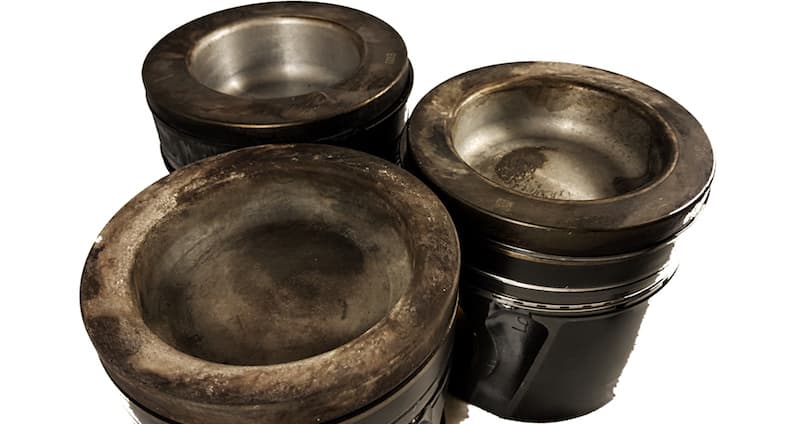
- Rapport
Demonstrating Renewable Propane
Infrastrukturen för att använda gasol är bra. Gasolen avvänds i allt från uppvärmning till kemiska processer och som fordonsbränsle. Nu utvecklas ny teknik för att producera gasol från råvaror som glycerol och cellulosa för att kunna använda samma infrastruktur även efter att energisystemet ställs om till förnybara bränslen.
|2018:538Christian Hulteberg, Andreas Leveau, Øyvind Nørregård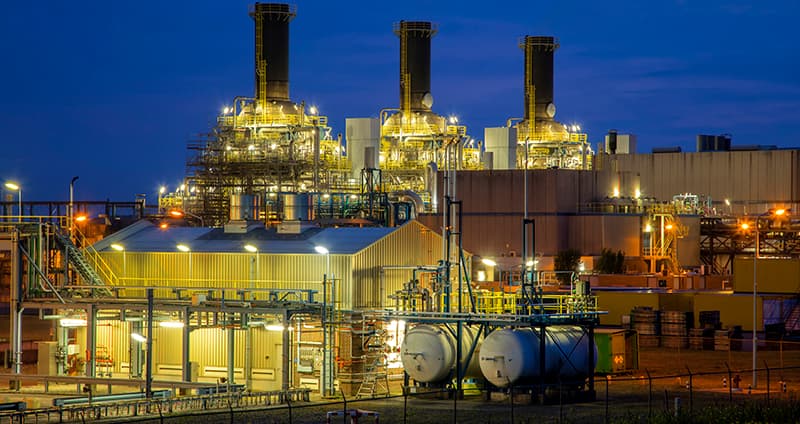
- Rapport
More Efficient Use of Biogas at Waste Water Treatment Plants
Idag produceras det ungefär 700 GWh biogas per år på avloppsreningsverken i Sverige, varav 60 procent uppgraderas till fordonsbränsle och resten omvandlas till el och eller värme via gaspannor, gasmotorer och gasturbiner. Frågan är om gasöverskottet kan utnyttjas bättre?
|2018:476Marc Puig Von Friesen, Peter Odhner, Magnus Arnell, Magnus Svensson, Pontus Ivarsson, Anna-Karin Jannasch, Anna Boss, Anders Hjörnhede