- Rapport
- Kärnkraft
Bridging the supply gap in the Nordic electricity system
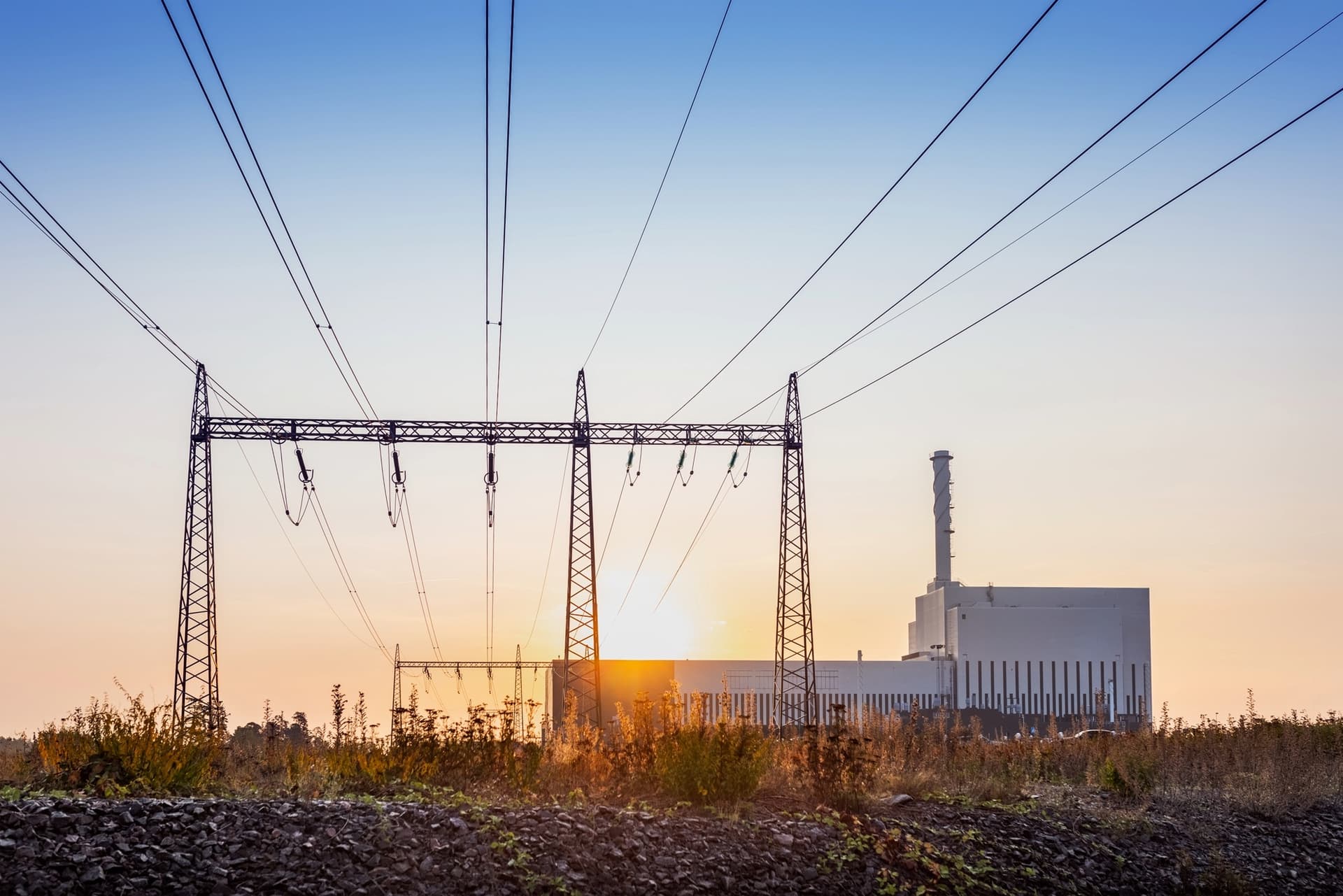
The purpose of the report is to provide Swedish and Finnish decision-makers — including policymakers, public authorities, system operators and owners — with international perspectives to support their efforts to develop the prerequisites for nuclear LTEs.
Rapporter och publikationer
Här listas rapporter och resultatblad från programmet.
- Rapport
Bridging the supply gap in the Nordic electricity system
Nuclear lifetime extensions are viewed as a competitive option for maintaining generation capacity and bridging the gap to the projected increase in electricity demand. Drawing on insights from other markets, the report shows that while nuclear lifetime extensions offer several benefits, investment decisions in Sweden and Finland are made under greater economic uncertainty compared with other countries.
|2026:1188Herman Hansson, Christian Grauers, Victor Hammar- Rapport
Summary Report – Nuclear Projects 2025
This document contains brief introductions to all projects that were finalized and/or published in Energiforsk Nuclear Portfolio Programs during the year 2025.
|2026:1178Karin Westling, Energiforsk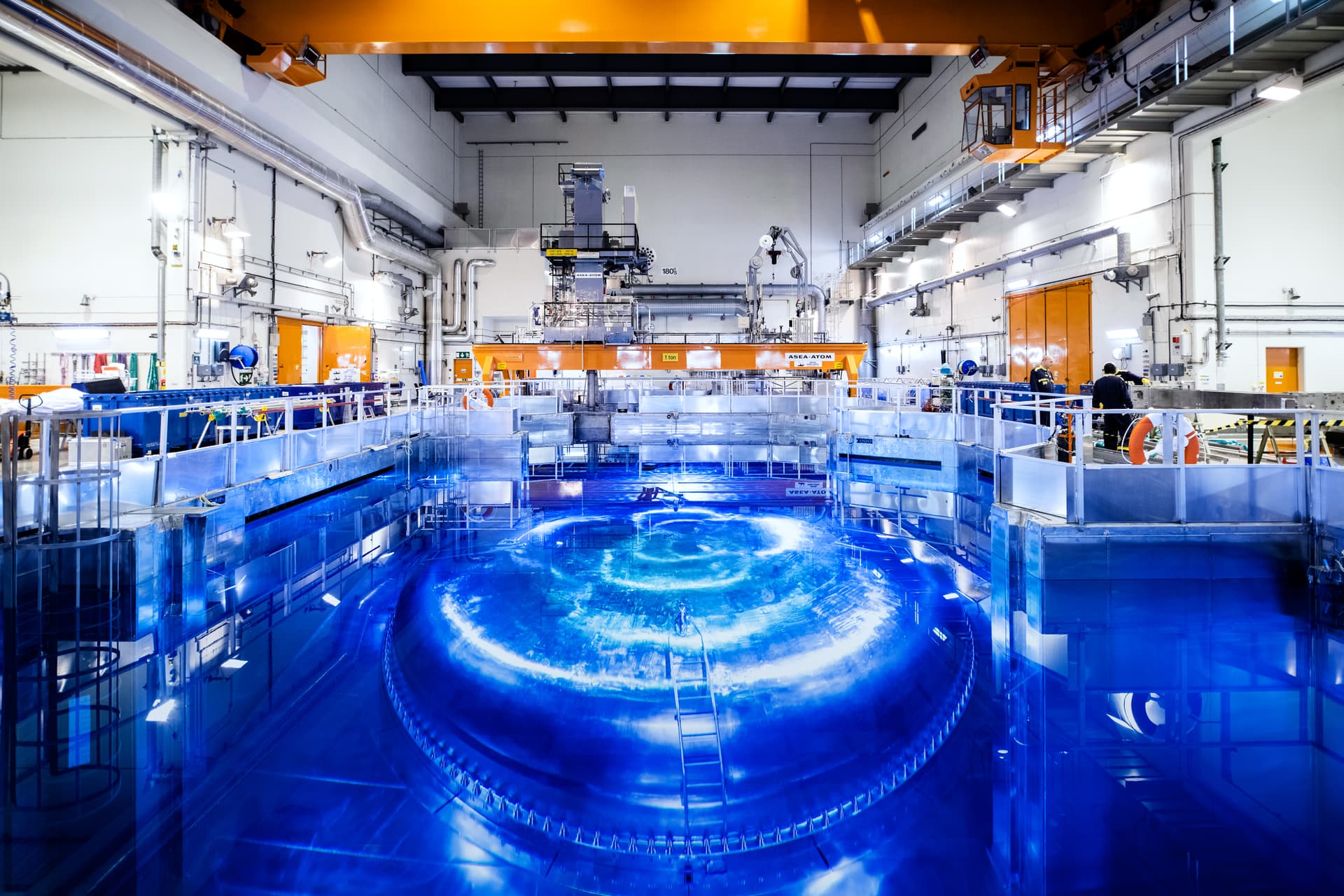
- Rapport
Comparing European Seismic Hazard Models
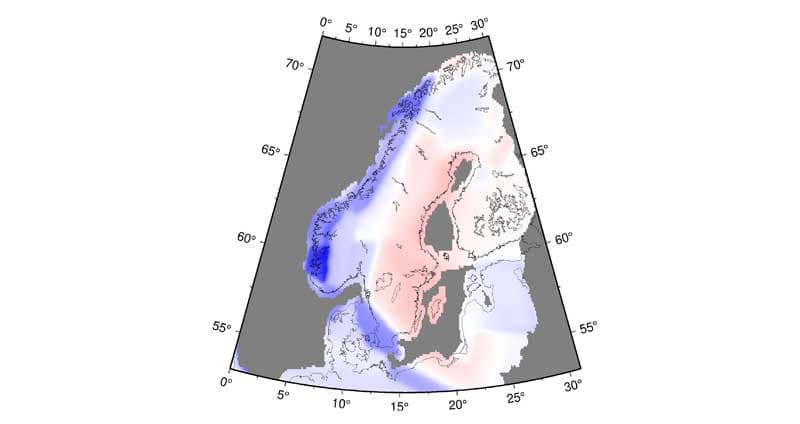
In this study, an analysis of the differences in results between the European Seismic Hazard Model 2013 and the new, updated version European Seismic Hazard Model 2020, has been performed. Even though the ESH models are not intended for site-specific hazard analysis, they are important to understand since they form a background to international and national definitions and guidelines.
|2024:1013Björn Lund, Uppsala University, Päivi Mäntyniemi, Helsinki University, Amir Sadeghi-Bagherabadi, Helsinki University, Annakaisa Korja, Helsinki University, Jan Lundwall, Vattenfall