- Rapport
- Kärnkraft
Shear Force Capacity of Existig Concrete Slabs
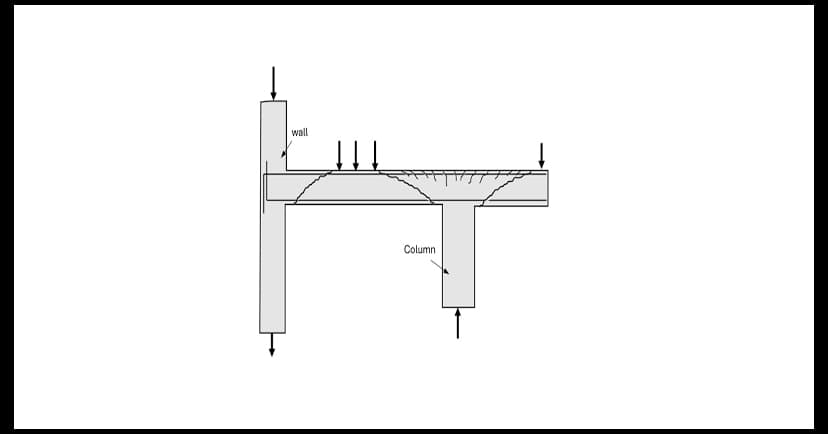
This study aims to analyze shear force capacity in reinforced concrete slabs,
comparing different design codes and identifying key parameters influencing
shear capacity. Results show variations in shear capacity predictions across codes,
highlighting the reasons for the observed relatively low shear capacities in existing
concrete slabs.
Specific attention to shear in slabs is not given to a greater extent than that it should be
avoided. The specific shear design in reinforced slabs before BBK became the acting
regulation was a rare occurrence. SBN offers very limited design methods other than a
simple method for checking the shear resistance and providing general advice to avoid
situations where shear becomes the designing failure mode. A comparison between
BBK04 and EC2 shows that BBK04 with safety class 3 has a good margin of 20%, while
with safety class 1 you have similar results as with EC2 for concrete with a compressive
strength less than 18 MPa. SBN80 shows an overestimation of 60% compared to EC2.
For the punching shear capacity, the results show that BBK79 have good safety margin
compared to EC2, due to its shorter effective perimeter calculation. B7 demonstrates
alignment with EC2 for thicker slabs, but slightly overestimates capacity for thinner slabs.
BHB aligns well with EC2 across most slab thicknesses, but deviations occur at greater
depths, where BHB becomes more conservative.
Rapporter och publikationer
Här listas rapporter och resultatblad från programmet.
- Rapport
Inspection of Pipes in Leak Indication Systems
Leak indication systems can detect leakage from fuel pools early. These systems consist of long systems of pipes with very small diameters, which can lead to blockages which is very important to prevent. but finding methods for this is difficult due to the geometrical complexity. Therefore, this study examined possible methods for detecting and removing mineral blockages in narrow, embedded leak indication pipes with sharp bends.
|2026:1217Andreas Bergh, Jonas Engblom, Christer Johansson, Christian Jonasson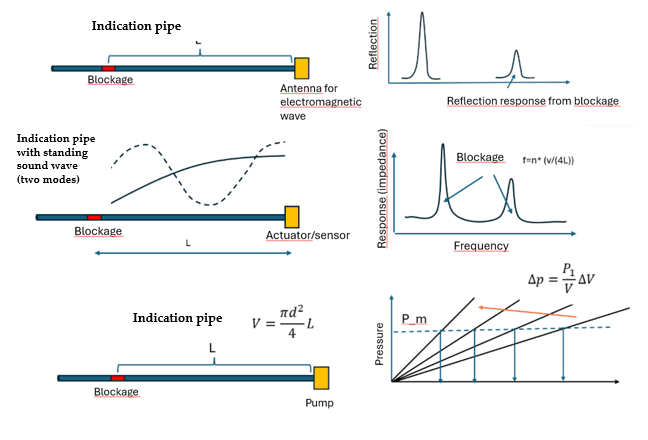
- Rapport
Analysis of long-term durability of prestressed tendons in Swedish nuclear reactor containments 2021
The project analysed a unique database gathered over 40 years of destructive testing of prestressing tendons performed within interval technical evaluations in Swedish nuclear reactors containments.
|2026:1207Jan Suchorzewski, Konrad Tarka, Dimitrios Boubitsas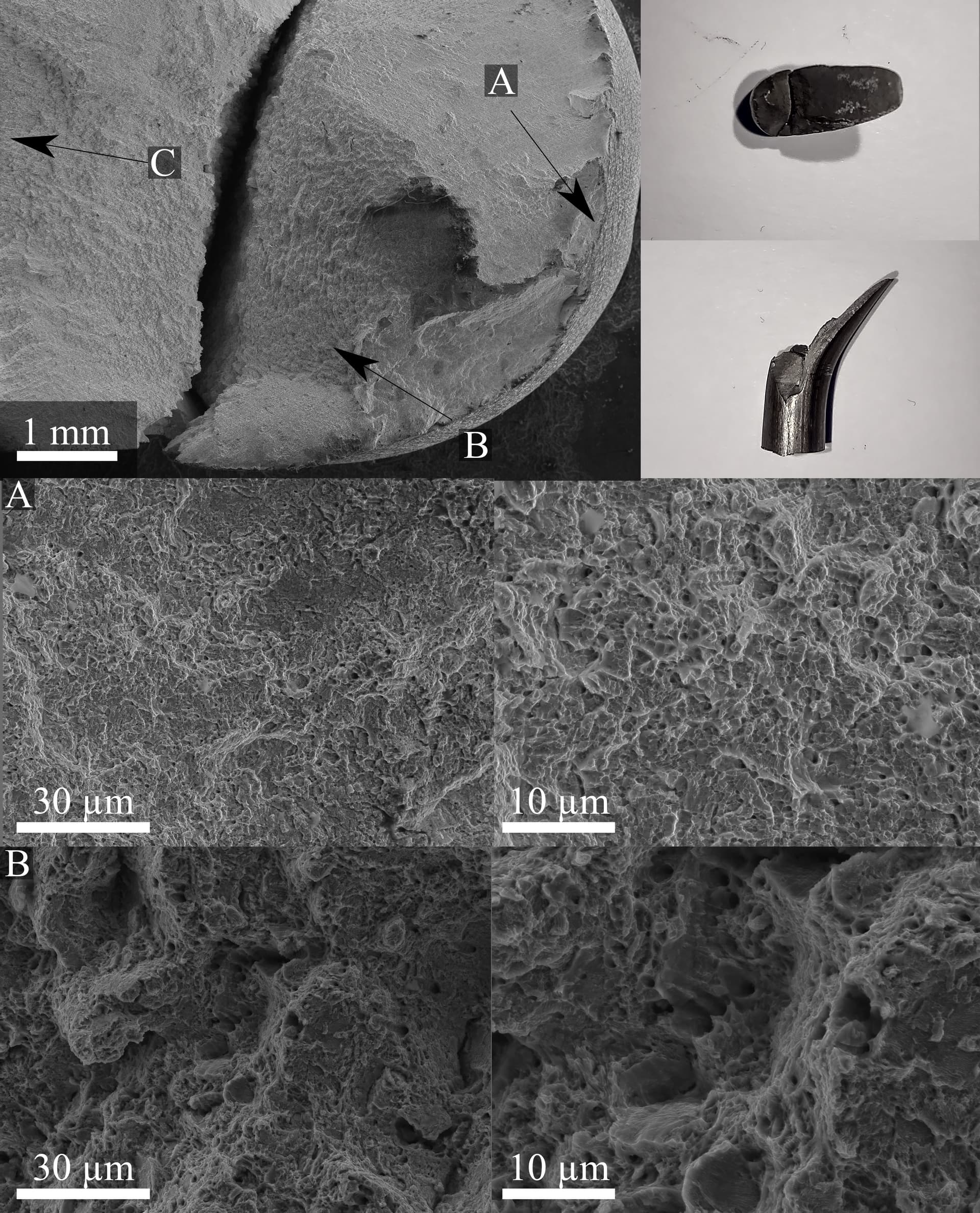
- Rapport
Syntesrapport 2007-2024: Betongtekniskt program kärnkraft
Energiforsk driver sedan 2007 ett forskningsprogram kring betongkonstruktioner inom kärnkraftverken. Det finns ett behov av att bygga både kompetens och att utveckla teknikbasen för teknisk förvaltning av byggnader och konstruktioner inom kärnkraftindustrin.
|2026:1206Peter Lundqvist, Vattenfall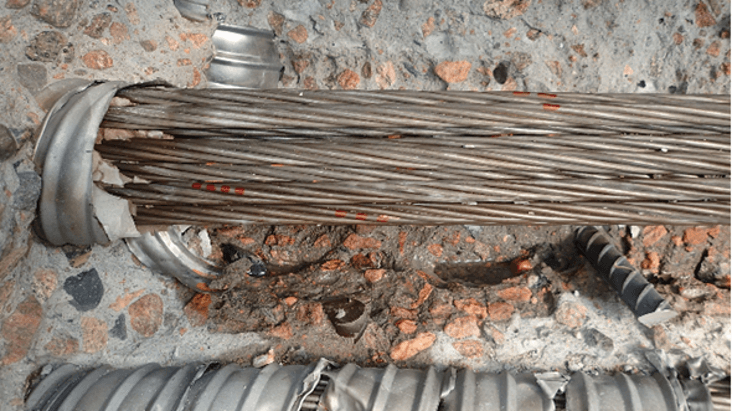
- Rapport
Testing of acoustic cameras to detect leakage through a concrete structure
The purpose of the project was to see how well the acoustic cameras worked on a concrete containment with known leakage through the structure.
|2026:1189Fredrik Tropp, Gabriella Wölfinger and Johanna Spåls, Ringhals AB